Lake Region business opening third office soon
Monitor Editor
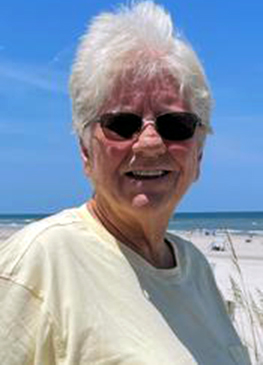
KEYSTONE HEIGHTS—A client liaison with a Starke and Keystone Heights-based company told a Lake Region civic group that her company thrived during the COVID-19 pandemic.
Heather Davis told the Keystone Heights Rotary Club that the very week she joined Legacy Home Health Care last year, the COVID-19 Pandemic hit the U.S.
“Literally, when everybody else was at home quarantined and not going anywhere, I was going to the hospitals and the doctor’s offices and the facilities, basically in the war zone of COVID,” she recalled.
Davis said that prior to taking the job with the Lake Region firm, she worked in home health care with a hospice organization.
She added that although Legacy had been in business for four years before her arrival, it had not been largely established.
However, about the same time she started, Legacy became licensed with Medicare, which has fueled much of the firm’s growth.
The pandemic also played a role in exposing home health care as a valuable alternative to hospitalizations and other forms of health care delivery.
“What COVID has done is to teach people the whole point of home health,” she said.
Davis said she was the company’s first client liaison. At that time, Legacy had offices in Keystone Heights and in Starke.
Recently, the company hired its fourth liaison, and is preparing to open an office in Ocala: its third.
Davis said the company is also establishing beachheads in Jacksonville and in DeLand.
“We have the owner’s ear”
Davis said that the owners of the company: Chris and Betsy Murphy live in the Keystone Heights-area. Betsy is a registered nurse.
“Betsy worked in the home health care industry for many years, so she knows it from top to bottom,” said Davis. “She is extremely experienced in all services provided within the homes, and she makes sure that in-depth trainings are done with all clinicians.”
Davis said that local ownership allows the operation to rapidly respond to changes in the industry and to customize care for each patient.
“We have the owner’s ear,” Davis said. “I can’t say that about a big, large, corporate company. You can’t just go up to the CEO and say: ‘Hey, can we do this for this patient?’
Davis said many patients have needs that go outside the bounds of the policies of the large corporate organizations.
“So, that’s a benefit of working with a family-owned business,” she said.
There’s no place like home
Davis reminded the Rotarians that the goal of home health care is providing quality care at home and keeping patients out of hospitals.
She said home health care includes delivering care to independent or assisted living facilities, like Keystone Heights’s Park of the Palms.
“The difference is in a skilled nursing facility,” she said, referring to sites commonly known as nursing homes. “For a skilled nursing facility, we can’t bring our services into that type of site because they’re already doing their rehab, they have their own therapists within the facility. But if it’s an assisted living facility, we can go in there and take care of them, and there’s no place like home”
Disease processes
Davis said many common diseases can be treated at home.
Congestive heart failure
Davis said many complications can arise from congestive heart failure including edema in the legs and fluid backing up into the lungs.
She added that monitoring weight and fluid levels, in addition to providing education and watching vital signs are important in monitoring this disease.
Davis also stressed that COVID is particularly dangerous for CHF patients and that those with congestive heart failure should seek immediate treatment at the first sign of the virus.
“If they get COVID and pneumonia it’s not good,” she said. “If they end up on a (ventilator) it’s not a good outcome, so preventing them from even getting to that point is our goal.”
Diabetes
Davis said diabetes can be a very expensive disease to manage and that education is critical in treating high blood sugar.
“If they’re on insulin or they’re getting their blood sugar checked, they need to know how to care for themselves with that disease process,” Davis said. “So we go in there and do education with the patient, but if the patient isn’t able to do it themselves we make sure the family is educated.
Neurological diseases
Davis said that stroke, multiple sclerosis, ALS and Parkinson’s disease are all disease processes that do not get better over time. They get worse.
She added that home health care providers can watch vital signs and for red flags in patients with neurological diseases that could send patients to the hospital.
Alzheimer’s and dementia
Davis said one of the biggest issues in treating patients with Alzheimer’s and dementia is care for the caregivers.
“Who are the ones that do all the work?” she asked. “It’s those caregivers. They are exhausted and they need help.”
Davis said her company can equip caregivers with resources to make their lives easier, including connections to the Alzheimer’s Association and Legacy’s social workers.
She added that social stimulation and exercises to reduce fall risk are valuable treatments for Alzheimer’s and dementia patients.
Post-surgery
Davis said post-surgery compliance: making sure that patients are doing what they’re supposed to be doing after surgeries is key in successful operations.
She added that when home health workers teach patients post-surgery exercises in the home, the patients are much more likely to follow through with the activity.
“It’s a huge help,” she said.
Davis also said watching for post-surgery infections, catheter care, ostomy care and wound care are other valuable post-surgery services home health care workers provide.
Cancer
Davis said that because many cancer patients have compromised immune systems, home health care offers the advantage of limiting exposure to infection risks.
She added that cancer patients benefit from home health care with IV infusions, patient and family education and medication management.
Davis said that when she worked in primary care, she saw patients with lists of medications of up to three pages, increasing the risk of confusion and errors.
“Just yesterday, I had to go get a new med list from a doctor’s office,” she said, “because we got an established patient and found out they were taking two of the same medications. They were prescribed by two different doctors, so we go in and got a new med list. That would never have been found if you didn’t have somebody looking at the whole picture.”
Other at-home services
Davis told the Rotarians that other services available at home include physical therapy, balance training, evaluating durable medical equipment and connecting patients with other community services.
She also said Legacy’s home health aids can assist patients with the basics of life, including bathing, cooking and housekeeping.