Buyer beware on solar – Clay Electric spokesman busts solar myths

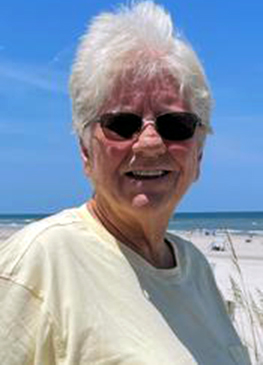
Clay Electric Director of Member and Public Relations Derick Thomas: “We don’t make or lose money whether you buy more insulation, get a more efficient HVAC system or buy a solar panel.”

BY DAN HILDEBRAN

Telegraph Staff Writer

KEYSTONE HEIGHTS— The director of member and public relations for Clay Electric Cooperative talked to the Keystone Heights Rotary Club about the co-op’s entry into solar energy and about some problems Clay Electric’s members have encountered when installing solar rooftops on their homes.

Co-op’s fuel mix

Derick Thomas said that now, the co-op’s power supplier: Seminole Electric has a fuel mix of 60% natural gas, 37% coal, and 3% renewables.

He added that since 2017, Seminole’s Hardee County solar farm has produced 2.2 megawatts of power. Through a power purchase agreement, the supplier will also have an additional 300 megawatts of solar available in 2025.

Thomas added that other utilities are also constructing solar farms in the area, and it takes five to ten acres to produce one megawatt of power.

One megawatt supplies power to around 600 homes.

Seminole’s natural gas generator near Palatka has a capacity of 1,134 megawatts.

Thomas said that even though power providers will continue to expand their renewables portfolios, fossil fuels will always be a part of the mix.

“Because believe it or not,” he said, “when the sun doesn’t shine, people still want their likes to come on.”

The utility spokesman said that in Florida, stationary solar panels can supply power an average of five hours daily.

Thomas said about 2% or 3,000 members purchase solar power from Clay Electric.

He added that solar is the only plausible renewable fuel available in Florida.

He said the state does not have the sustained winds to support windmills, “unless you put them up at the beach and nobody wants to look at them.”

He added that he thinks one Clay Electric member has a windmill at home.  

Deceptive sales tactics

Thomas also said Clay Electric and other utilities across the country are struggling with deceptive sales tactics of solar sales representatives.

“You can Google it,” he said of the misleading information, “you can get on YouTube; Channel 4 has done some stories with JEA.”

He said the main problems the utilities see are that customers accept the claims of the solar sales representatives.

“People don’t talk to us,” he said. “They make these purchase decisions and then find out the truth, and then ultimately they’re mad at us even though we didn’t sell them the assets.”

Seminole Electric’s 1,134-megawatt natural gas generator near Palatka can provide power to around 680,400 homes.

‘You’ll never have another electric bill’

Thomas said one misleading statement solar salespeople make is that after the panels are installed, customers will never have another electric bill.

“If I use zero, I still pay a light bill,” he said. “If you want to connect to the grid, you’re going to pay a light bill.”

Clay Electric charges its members a $29 per month access charge which members pay even if they use no electricity. FPL collects a base charge of $9.48 regardless of the amount of power its customers consume, and it bills customers a minimum of $25 a month for users whose monthly bills fall below that amount.

‘You’ll make big money selling your power back to the utility’

 Thomas also said solar prospects have been told they can make big money selling their excess power back to power providers.

“Also not true,” he said.

This practice, known as net metering, became a public issue last year when the legislature passed State Sen. Jennifer Bradley’s bill that would have lowered the rate at which solar customers could sell power back to utilities.

The bill was vetoed by Gov. Ron DeSantis. Still, Thomas said the rates that investor-owned utilities pay solar customers for net metering differ from those for municipal utilities and co-ops.

Customers who expect a big payday from selling their excess power back to the co-ops blame the buyers when the promises made by the solar salespeople don’t pan out.

“You’ll never lose power’

Thomas said solar prospects are also incorrectly told that they will never lose power if they have a solar rooftop.

“If you have the solar asset,” he said, “you interconnect your solar asset with the grid. When the grid loses power, you lose power because the solar panel can’t connect the DC to the AC, so it opens up, and you’re out of power. That’s why you’ll notice most people who bought solar either have a generator or, if they’ve got a lot of money, they can buy batteries and operate, but if they don’t have one of those two things, they’re out of power too.”

Call us

Thomas said Clay Electric is not trying to persuade members from converting to solar energy.

“We don’t want to talk you into solar,” he said. “We don’t want to talk you out of solar. We’re your member-owned utility. What we want to be is your trusted energy partner.”

He added that whether members are thinking about upgrading their HVAC systems, making their homes more energy efficient with insulation, or purchasing a solar rooftop, the co-op wants to provide accurate information.

“We don’t make or lose money whether you buy more insulation, get a more efficient HVAC system or buy a solar panel,” he said. “So, if you’re considering any energy efficiency upgrades, or solar, before you sign a lease or a contract, call us. We’ll be happy to walk through all the scenarios with you.”