BY MARK J. CRAWFORD
The state’s new fiscal year begins July 1, and while Florida legislators have yet to pass a budget, it’s what they could do to local government budgets that has leaders worried.
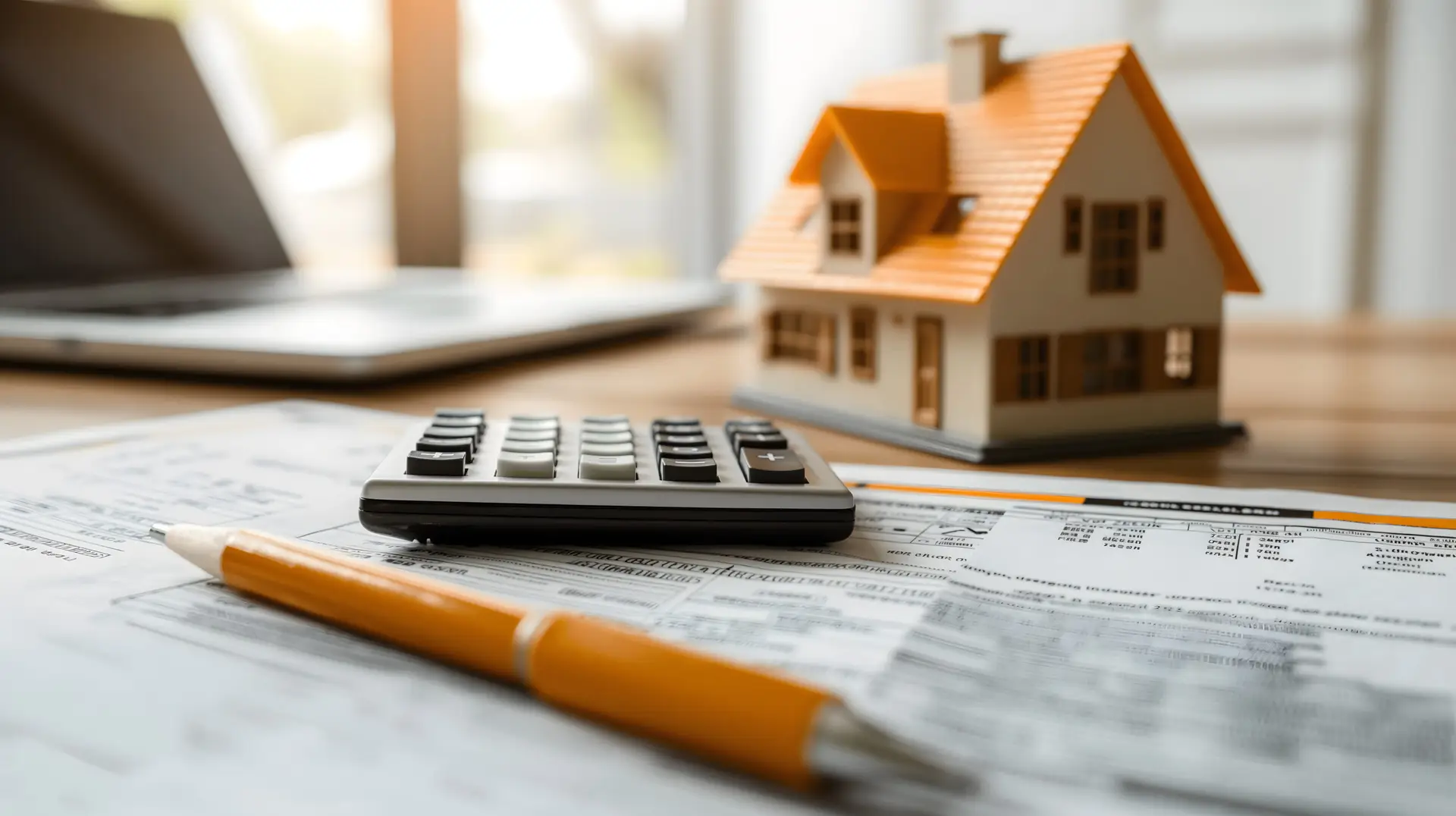
Bradford County Manager Scott Kornegay said while they have tried to ignore it, it’s time for the county to talk about a proposal in Tallahassee to eliminate property taxes.
“No one has a crystal ball. We don’t know which way this thing is going to go. Just talking to Senator Bradley about it a little bit earlier, he and I agree that it’s there’s probably going to be a lot of wailing and gnashing of teeth between now and whenever this thing is resolved,” Kornegay told county commissioners.
Gov. Ron DeSantis and House Speaker Daniel Perez have indicated that a measure to eliminate property taxes could be placed on the November 2026 ballot. It would require 60% voter approval. While DeSantis’ believes property taxes are the equivalent of paying government rent to live in your own home and that high property values are generating excess revenue, local governments are left to convince their citizens that paying taxes is for their benefit.
In addition to providing financial relief to homeowners, those who support eliminating property taxes belief it will boost Florida’s economy and make it more attractive to live and do business here. If so, that would be important to replacing the lost local revenue.
To offset the loss of revenue from property taxes — which law enforcement, fire and rescue services, education, and other important services — some have suggested a significant increase in the state sales tax. While the exact increase has not been finalized, estimates suggest it could rise to 10% or higher.
Sales tax critics claim taxing consumption is more regressive than taxing property and disproportionately impacts low- and middle-income households by driving up the cost of everyday goods.
The need for a ballot initiative means that no change will take place quickly, and it could be years before the full impact on local government is realized, according to Kornegay.
Former Sen. Rob Bradley as county attorney steered the commission away from panic, believing any change would be made with fiscally constrained counties in mind.
“It’s a mistake to try to predict what’s going to happen, and tensions are high for other reasons in Tallahassee between the various parties, but I do believe that when it comes to fiscally constrained counties that there’s an understanding and recognition that that’s a particular group of local governments that rely on that revenue stream,” he said.
“I just thought it was important to have a brief discussion about this publicly, because I think all of us were hoping in the beginning that it was posturing, politics, and that it would just go away,” Kornegay said. “But it has not gone away, and there’s no way to predict which way it’s going to go.”
The loss of property tax revenue would leave a nearly $14 million hole in the county’s budget.