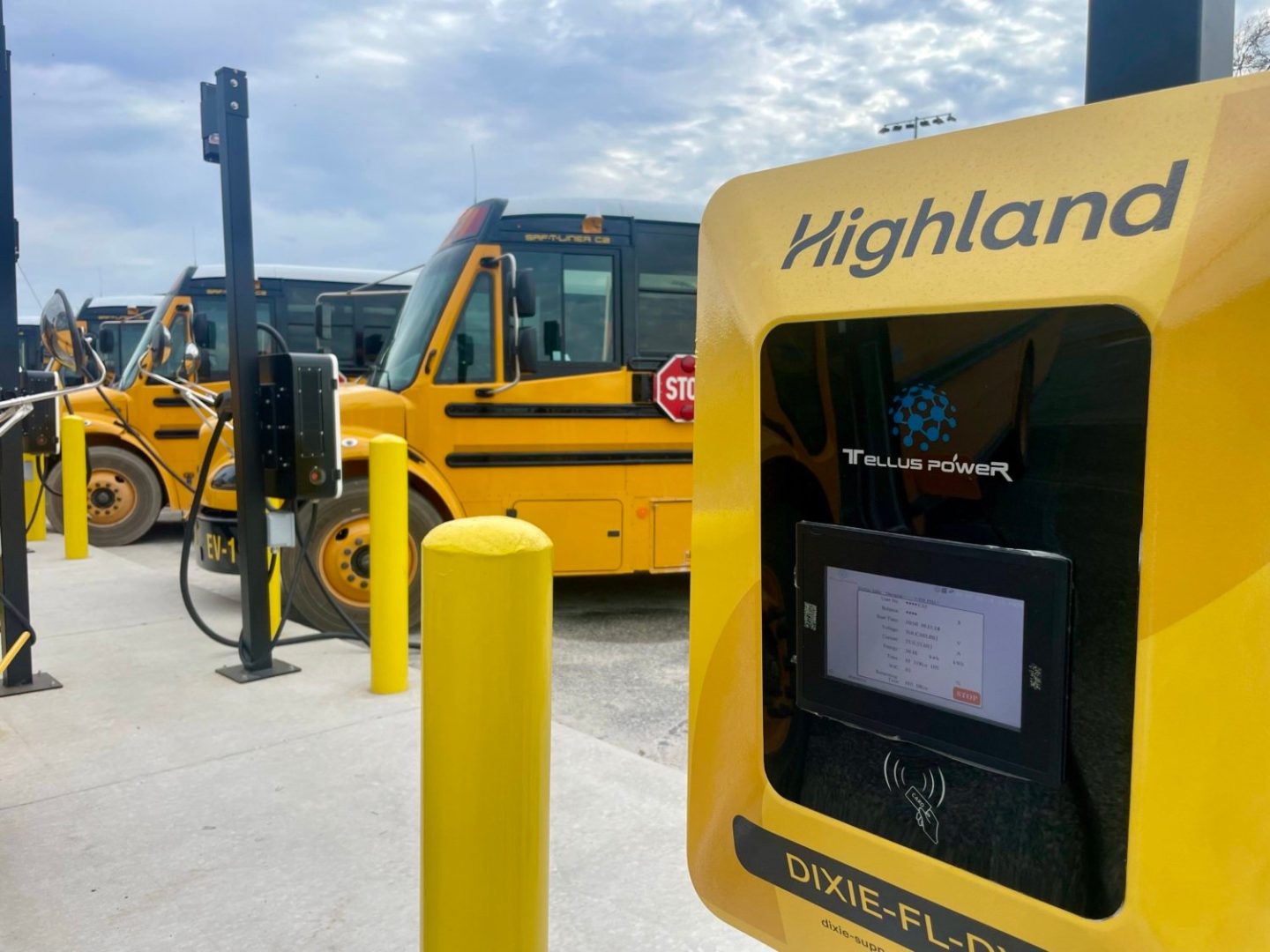
The Union County School Board discussed a preliminary agreement for leasing electric school buses during its September 9 meeting, focusing on a mileage restriction clause that raised concerns.
The board, led by Superintendent Mike Ripplinger, reviewed the proposal with input from Transportation Director Tony Raish and a representative from the bus provider to evaluate its feasibility for the district’s rural routes.
The proposed agreement includes a mileage cap of 11,300 miles per bus per year, with a $3-per-mile fee for exceeding this limit.
Ripplinger noted that three of Union County’s five bus routes exceed this threshold based on average annual mileage, prompting concerns about potential costs.
“Once you start charging $3 per mile over that, it’s going to get expensive very quickly,” Ripplinger said.
He said that after discussions, the provider expressed flexibility, indicating the mileage limit could be adjusted, potentially averaged over two years, and that the clause is rarely enforced.
Ripplinger cited Dixie and Glades counties, which operate electric buses under similar programs and have not faced overage charges, despite their larger geographic areas compared to Union County, Florida’s smallest county at 246 square miles.
The lease, part of a federal funding program exceeding $750,000, would require the district to trade in five older buses for electric models.
Ripplinger emphasized the need for spare buses, noting that if electric buses reach their mileage limit, the district could revert to existing diesel buses, which average 15 years old, with some from 2009. The lease term is flexible, ranging from 10 to 15 years, with an option to purchase the buses at the end or continue leasing newer models.
A representative of the electric bus provider assured that battery replacements, a significant cost concern, would be covered under warranty even near the lease’s end, addressing board member Tarra Johnson’s worries about post-lease expenses.
Ripplinger highlighted the program’s benefits, referencing Dixie County’s satisfaction in their second year of electric bus use, where issues like battery cooling were promptly resolved under warranty.
“All their buses have air conditioning, and they’re brand new across the board,” he said, noting the potential for modernized transportation in Union County.
However, the board remained cautious, seeking to clarify mileage terms and ensure financial viability before finalizing the agreement.
The board plans to revisit the proposal later, with Ripplinger encouraging members to raise any additional concerns.